
The software engineering landscape in 2026 is moving faster than at any point in the history of computer science. Technologies that were experimental novelties three years ago—autonomous AI coding agents, globally distributed edge runtimes, and sub-second Jamstack rendering—are now standard table stakes for production development teams.
In this strategic report, we examine the five macro trends reshaping digital product engineering, team structures, and how ambitious enterprises can capitalize on these shifts to outperform their competitors.
1. The 2026 Engineering Inflection Point
The era of writing boilerplate repetitive CRUD controllers, manual unit tests, and brittle deployment scripts by hand is officially over.
Software engineering has elevated from manual line-by-line syntax typing to System Architecture, Domain Modeling, and High-Assurance Orchestration. Developers who master foundational computer science principles and algorithmic reasoning are dramatically more productive than ever before.
2. Trend 1: Agentic AI in Production Workflows
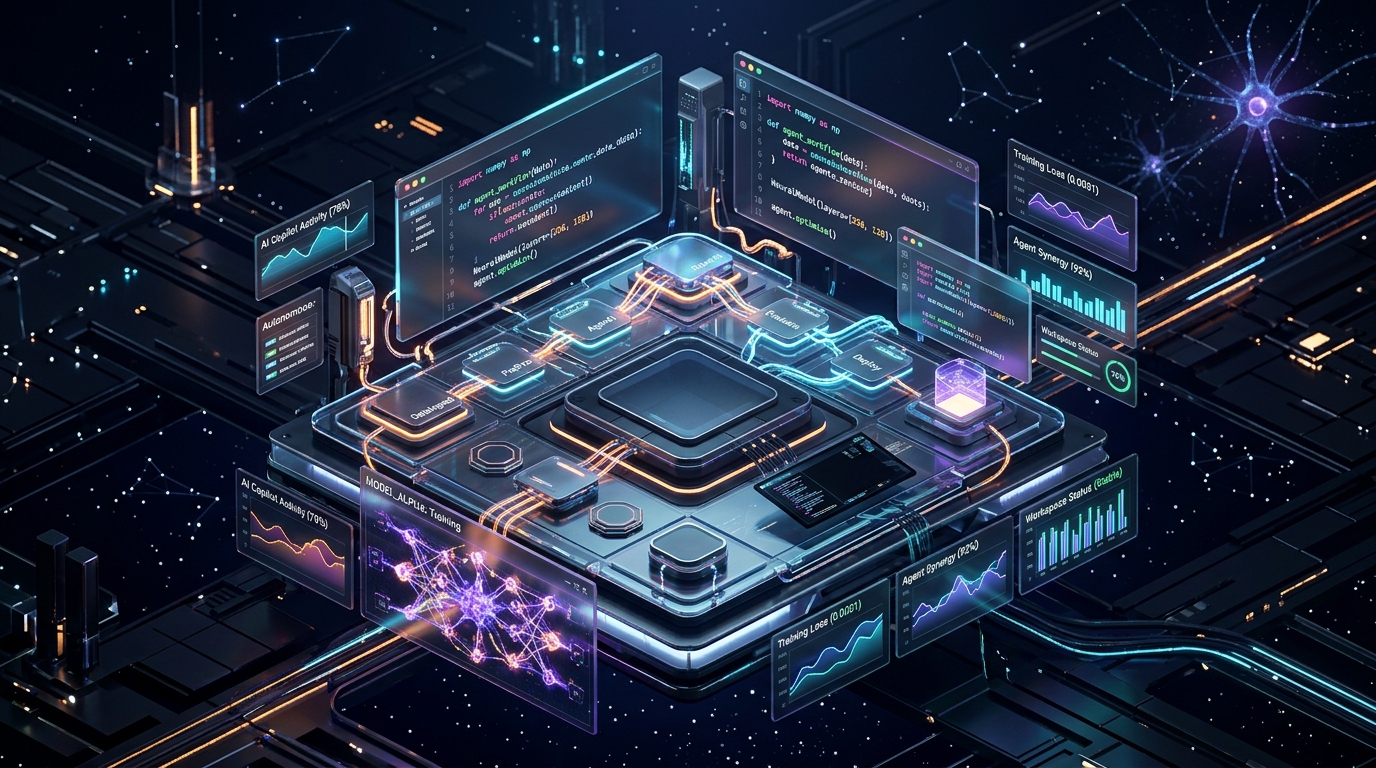
In 2023–2024, AI tools were largely glorified autocomplete engines. In 2026, Agentic AI tools operate as autonomous junior pair programmers:
- Automated Test Suite Generation: AI agents analyze edge cases in business logic and automatically generate end-to-end Playwright and Vitest integration suites.
- Vulnerability Scanning & Dependency Auditing: Continuous automated refactoring PRs that identify deprecated packages and apply safe API migration codemods.
- Real-Time Code Reviewers: Flagging architectural regressions, database N+1 queries, and missing accessibility attributes prior to human pull request approval.
3. Trend 2: The Migration to Global Edge Runtimes
Centralized single-region cloud servers (e.g., hosting your entire database and backend in us-east-1 while your customers are in Chennai and Mumbai) are obsolete for modern consumer experiences.
Platforms are standardizing on Edge Computing (Cloudflare Workers, Vercel Edge, Deno Deploy, Fastly):
- Code runs in V8 isolates stationed across hundreds of global metropolitan point-of-presence (PoP) data centers.
- User requests are terminated within 15 milliseconds of the user’s physical location.
- Cold starts are under 5ms, eliminating the sluggish spin-up times typical of heavy Docker containers.
4. Trend 3: TypeScript as the Universal Lingua Franca
The debate between untyped JavaScript and TypeScript is settled: TypeScript has achieved universal dominance across full-stack engineering.
Modern engineering teams enforce strict: true across their entire stack:
- End-to-End Type Safety: Database schemas defined in Drizzle or Prisma generate TypeScript types that flow seamlessly through API routers (tRPC / REST) into frontend React/Astro components.
- Zero Runtime Serialization Surprises: Changing a database column name immediately surfaces type errors across your entire repository during compile time.
5. Trend 4: Static-First Architecture & Component Islands
For years, the web suffered from "SPA Bloat"—shipping 2MB of heavy JavaScript to mobile phones just to render a static blog post or marketing landing page.
The industry has pivoted decisively back to Static-First Islands Architecture (championed by Astro):
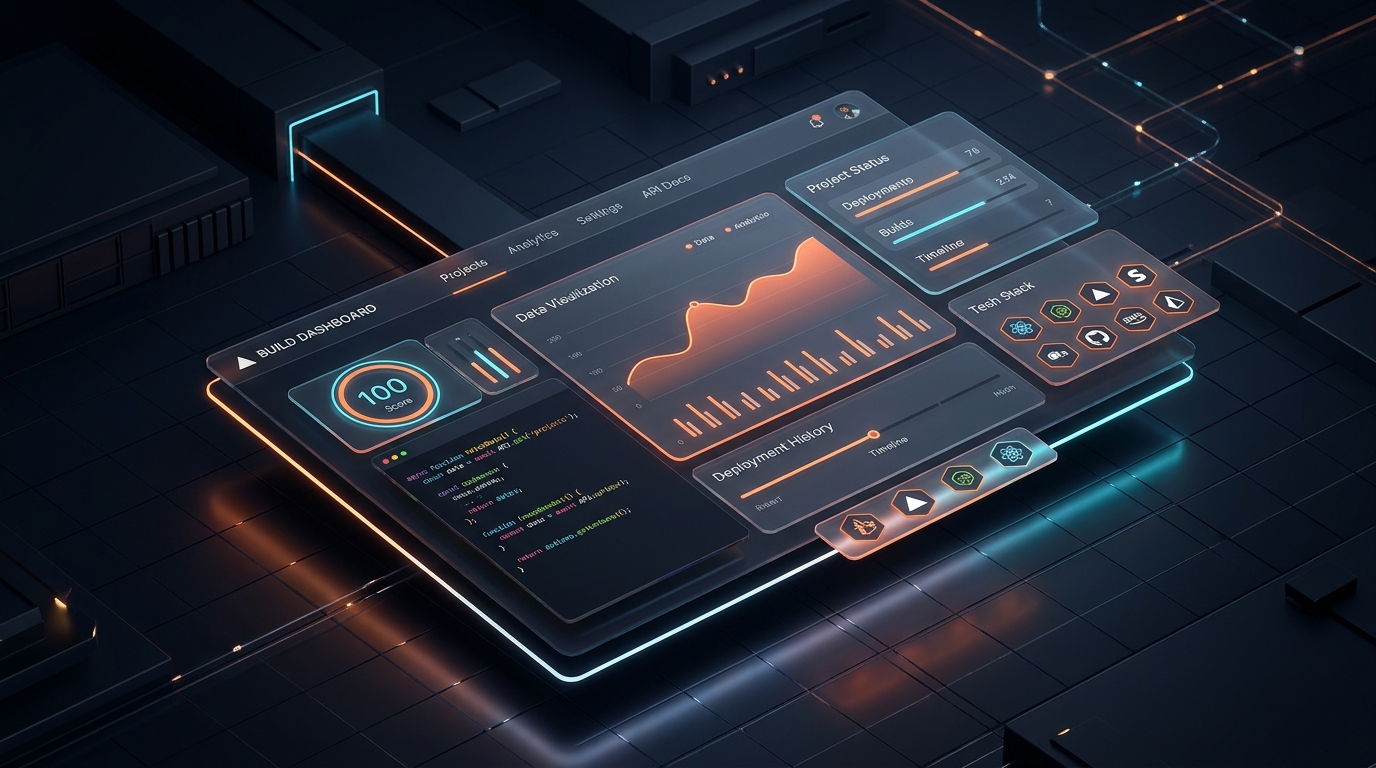
- 95% of the page is shipped as pure, lightning-fast static HTML and CSS with zero JavaScript overhead.
- Interactive widgets (like an interactive pricing calculator or theme toggle) are isolated "islands" that hydrate independently.
- Result: Instant 100/100 Google Core Web Vitals scores and unbeatable SEO crawl efficiency.
6. Trend 5: Production Mentorship vs Shallow Bootcamps
The traditional "12-week coding bootcamp" industry collapsed under the weight of surface-level copy-paste curriculums. Companies no longer hire candidates who only know how to build a generic todo list from a YouTube tutorial.
Industry demands engineers who understand:
- Real Git branching workflows, code reviews, and CI/CD pipelines.
- Database indexing, schema normalization, and transactional safety.
- Edge performance, API security, and real user experience optimization.
This shift is precisely why we founded Anshos Edu: bridging academia and industry through hands-on, mentor-led software engineering incubation and 1-on-1 private tutoring starting from ₹200/hr.
7. Conclusion
The companies that succeed in 2026 are those that combine pragmatic architectural discipline with modern high-velocity engineering tools.
Ready to modernize your technical infrastructure? Contact our engineering leadership at Anshos Tech or learn more about our past engineering deliverables.